


Future Forward: Ryan M Casady Uniontown Ohio on Eco-Friendly Transport and Packaging
In a world where climate concerns are accelerating and industries are under pressure to transition toward cleaner operations, sustainability is no longer optional it is strategic. For leaders like Ryan M Casady Uniontown Ohio, the path forward for businesses lies in integrating environmentally responsible practices into every stage of the supply chain. From transportation and packaging to real-time emission monitoring, companies that embrace sustainability are not just protecting the planet they are unlocking long-term competitive advantage.
Ryan’s experience in operational optimization, logistics transformation, and change management gives him a clear view of what the future demands. According to him, three pillars will define sustainable progress in the coming decade:
Eco-friendly transportation systems
Next-generation sustainable packaging
Advanced emission tracking and transparency
Together, these pillars will shape how companies operate, innovate, and meet global sustainability expectations.
The Future of Eco-Friendly Transportation
Transportation accounts for nearly a quarter of global CO₂ emissions, making it one of the most critical areas for change. For Ryan M Casady Uniontown Ohio, the evolution of eco-friendly transportation will be driven by four interconnected forces: electrification, automation, alternative fuels, and intelligent logistics.
1. Electrification Becomes the Global Standard
Electric vehicles (EVs), once considered costly and limited in performance, are rapidly moving toward mainstream adoption. Fleet managers are transitioning from diesel trucks to electric models, especially for short-haul and urban deliveries. The benefits Ryan highlights include:
Lower operating and maintenance costs
Zero tailpipe emissions
Quiet operations in urban areas
Increased fuel efficiency
In the next decade, EV adoption is expected to accelerate as battery costs fall, infrastructure expands, and government incentives continue to shape the market.
2. Hydrogen and Biofuels for Long-Haul Logistics
For heavy-duty transportation, hydrogen fuel cells and advanced biofuels remain promising alternatives. Ryan notes that while EVs are ideal for short routes, long-haul logistics require solutions that deliver increased range, reduced charging time, and strong performance. Hydrogen-powered trucks fit this space perfectly.
3. Autonomous and AI-Driven Transportation
AI, automation, and predictive analytics will redefine how goods move. Self-driving delivery vehicles, drone transport, and AI-assisted route optimization reduce fuel use, errors, and idle time. This is where sustainability meets efficiency something Ryan advises companies to prioritize simultaneously.
4. Smarter Routing Reduces Waste
Eco-friendly transportation is not only about new vehicles it’s about smarter planning. Using advanced logistics planning systems, Ryan emphasizes how companies can cut operating costs and emissions by:
Reducing empty miles
Improving load consolidation
Optimizing delivery windows
Predicting traffic patterns
These improvements can reduce emissions up to 40% without changing a single vehicle.
Revolutionizing Business Through Sustainable Packaging
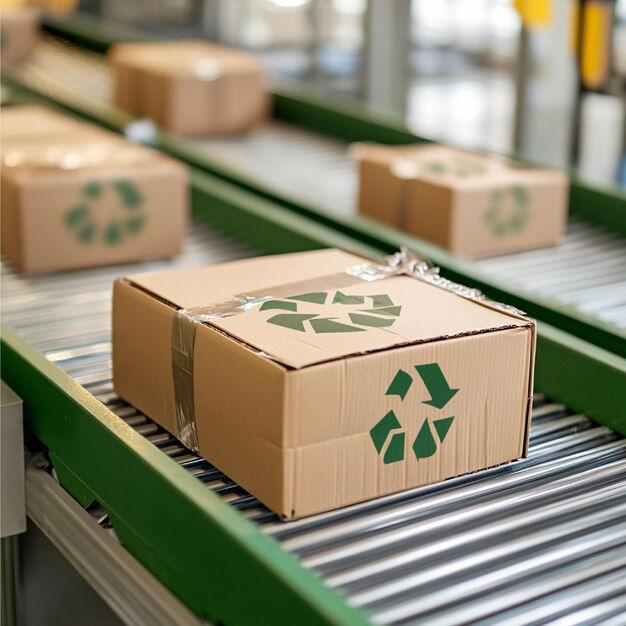
Packaging waste is one of the biggest contributors to environmental pollution. For Ryan M Casady Uniontown Ohio, sustainable packaging is not merely a trend it is evolving into a core requirement for regulatory compliance and consumer trust.
1. Biodegradable and Compostable Materials Take the Lead
Traditional plastics are being replaced by:
Cornstarch packaging
Mushroom-based materials
Seaweed-derived alternatives
Sugarcane fiber products
These options degrade naturally, reducing long-term environmental impact.
2. Lightweight Packaging Reduces Transport Emissions
Reducing packaging weight directly cuts fuel consumption during shipping. Ryan often stresses that small design improvements like lighter materials, compact shapes, or collapsible forms can have massive sustainability payoffs.
3. Recyclable Packaging as a Standard Requirement
Consumers are demanding recyclable materials, and companies are responding by designing packaging that fits into closed-loop recycling systems.
4. Smart Packaging for Real-Time Tracking
The future of packaging goes beyond physical materials. Companies are embedding:
QR codes
RFID tags
GPS sensors
Temperature and humidity trackers
These technologies reduce waste, prevent spoilage, and enhance supply chain transparency.
5. Circular Packaging Models Become Mainstream
Ryan highlights that circular systems where packaging is returned, cleaned, and reused are gaining popularity across industries such as e-commerce, retail, and food delivery.
The Evolution of Emission Tracking and Sustainability Metrics
Emission tracking is emerging as the backbone of corporate sustainability. For Ryan M Casady Uniontown Ohio, companies can only improve what they can measure. That’s why modern enterprises are investing heavily in digital tools that track emissions in real time.
1. Carbon Footprint Dashboards for Real-Time Monitoring
AI-driven dashboards allow companies to measure emissions across:
Transportation fleets
Warehousing facilities
Packaging processes
Manufacturing lines
This real-time visibility helps leaders identify inefficiencies quickly and take corrective action.
2. Blockchain for Supply Chain Transparency
Blockchain ensures that every link in the supply chain records its emissions accurately. According to Ryan, this will reduce greenwashing and improve trust between buyers, regulators, and consumers.
3. Predictive Analytics to Forecast Emissions
Using predictive software, companies can analyze emission patterns to:
Forecast future environmental impact
Identify high-emission processes
Test sustainability strategies before implementation
This empowers smarter decision-making.
4. Compliance With Global Sustainability Standards
Governments worldwide are demanding more transparency. With automated emission tracking, businesses can comply with frameworks such as:
ESG reporting guidelines
Clean Energy Regulations
Carbon Border Adjustment Mechanisms (CBAM)
Net-zero targets
For Ryan, mastering compliance is key to staying competitive in global markets.
How These Three Pillars Work Together
Eco-friendly transportation, sustainable packaging, and emission tracking are interconnected. Ryan M Casady Uniontown Ohio explains it this way:
Cleaner vehicles reduce carbon footprints.
Smarter packaging makes transportation more efficient.
Real-time emission data ensures accountability across the supply chain.
Together, they form a sustainable ecosystem one where companies innovate responsibly while improving efficiency.
Conclusion:
The future of business lies in sustainability-driven strategy. As Ryan M Casady Uniontown Ohio emphasizes, companies that embrace eco-friendly transportation, innovative packaging, and transparent emissions tracking will not only meet regulatory expectations they will lead their industries.
These shifts are not only environmentally necessary but strategically wise. They reduce costs, inspire innovation, strengthen brand reputation, and prepare organizations for the demands of tomorrow. In a rapidly changing world, sustainability is more than an operational goal it is the foundation of long-term success.


Comments